Phishing using QR codes is another popular way for scammers to steal your data. Scammers use QR codes for this purpose. Criminals create fake codes and place them where you can easily scan them: on the street, in messages, and sometimes they even cover up real payment codes with them. If you scan such a fake code, you might end up on a site that steals your data, or a malicious program might automatically install itself on your phone.
QR Codes (Quick Response Code) – what is it? Quick Response (QR) codes are those square images with black and white patterns. You can see them everywhere: online, in newspapers, leaflets, or on posters. Their advantage is that they can quickly convey a lot of information while taking up very little space. Scanning a QR code is simple and fast. This allows you to immediately go to a website or application without having to type in a long address or search for information. All you need to do is point your smartphone camera at the code.
QR codes have become very popular, for example, during the pandemic. They facilitated many things: you can check a restaurant menu without touching (contactless), pay online, or validate a bus ticket. This is a great convenience. But you should remember that this convenience carries the risk of quishing.
It is always worth asking the restaurant staff whether the QR code placed on the table is official before scanning it. It is very easy for an outsider to drop off a fake code.
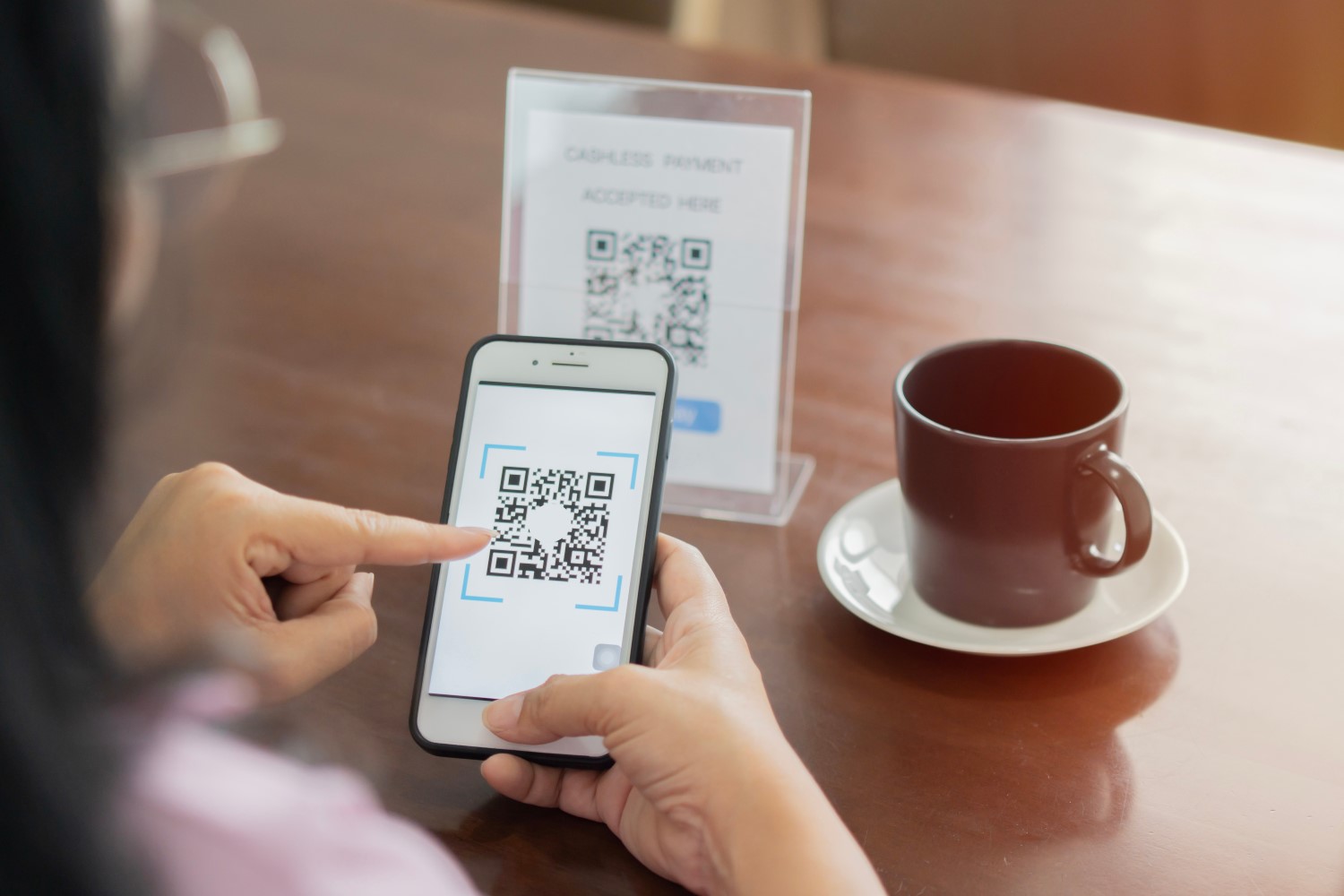
Image source: https://www.plushbezlimitu.pl/blog/technologie/jak-zeskanowac-kod-qr-telefonem