We use a huge number of global digital services every day, which have become an inseparable part of our lives. Regardless of their country of residence, people massively use platforms such as Amazon for shopping, listen to music and podcasts on Spotify or YouTube, and spend their evenings watching movies and TV series on Netflix or Prime Video. This phenomenon of widespread adoption of global brands is key for cybercriminals.
These services are simply so popular and have such a gigantic user base that when criminals send a mass phishing campaign – whether in the form of an SMS message or an email to thousands, and often millions of people – they are almost one hundred percent certain that a large, significant portion of recipients are actually customers or users of one of these global platforms.
And that is precisely the psychological trick. So, when we see a message in our inbox or on our smartphone screen that allegedly comes from a service we genuinely use regularly and feel close to (e.g., information about a payment problem on Netflix, Amazon account suspension, or password verification on Spotify), our natural, rational vigilance drops. It is replaced by an immediate sense of urgency, the necessity for a quick reaction, and most importantly – our interest in the content of the received message increases. We are inclined to click the link because we want to quickly „fix” the problem, which we believe concerns our real account. In this way, criminals exploit our trust in popular brands and our desire to maintain access to our favourite services.
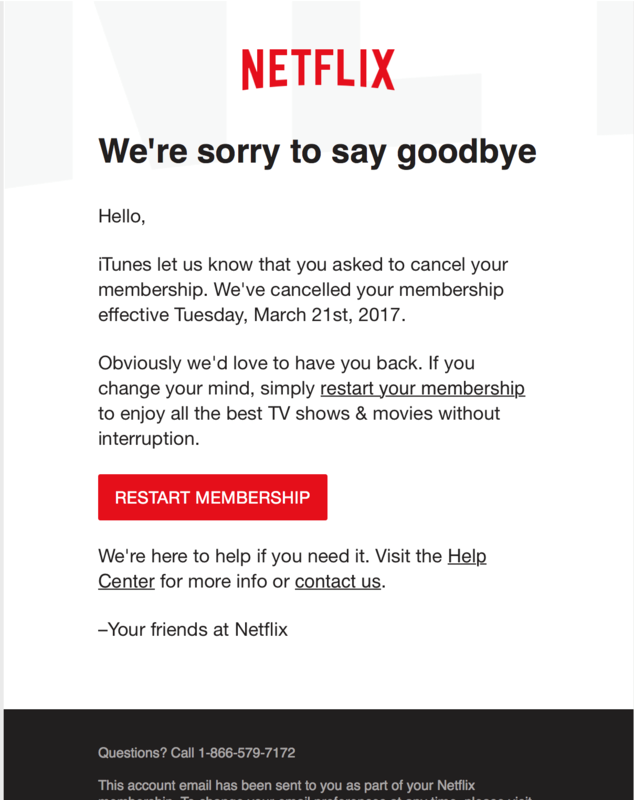
That is why phishing messages impersonating digital giants (alongside banks and courier companies) are so effective and form the foundation of many global cybercrime campaigns. The actual content and nature of the message fade into the background, giving way to an emotional reaction to a familiar logo and a message about potential loss.