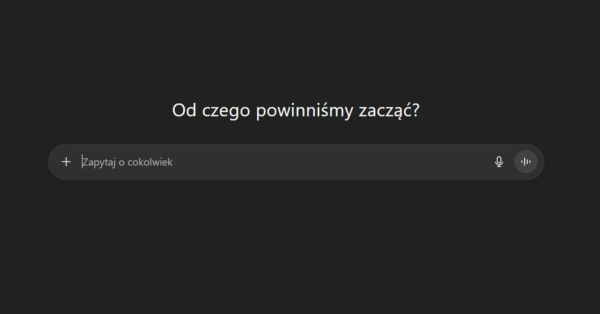
Virtual assistants use artificial intelligence (AI) to understand the questions asked of them and find relevant answers on the internet. To be able to communicate with people, they use a process called natural language processing (NLP) to understand human language. The more they are used, the better they tailor their responses to the user. Large language models (LLMs), which draw on vast amounts of textual data available on the internet (books, articles, websites and online forums), are responsible for helping the virtual assistant choose the right words. On this basis, they learn how to construct sentences and the likelihood of a particular word following a previous one. For example, after the word ‘black’, the word ‘cat’ is more likely to be used than, say, ‘moon’, so ‘cat’ will be suggested next.
It is worth bearing in mind, however, that they will not always be able to provide perfectly accurate answers; they may require access to more detailed data, and some advanced features may incur an additional charge.
The most common examples of virtual assistants are:
- Siri – available on Apple devices (e.g. iPhone, MacBook)
- Google Assistant – available on Android devices (most popular smartphones on the market)
- Alexa – Amazon’s voice assistant
- ChatGPT and Google Gemini – text-based assistants available online and as mobile apps
Each of them has slightly different capabilities and works in a different way, but they all have similar uses. Google Assistant can respond vocally in Polish. The other companies (Apple, Amazon) are also working on full support for our language, but this is not currently available.