How are deepfakes created?
Let’s imagine a painter who wants to create the perfect portrait of a politician. Instead of simply looking at him, however, the painter studies thousands of photographs and videos featuring him. He memorises how the wrinkles around his eyes form when he laughs, how he squints, and how his lips move when he pronounces specific sounds.
A computer does exactly the same thing – it ‘looks at’ material featuring a particular person until it has learnt every tiny facial expression and movement.
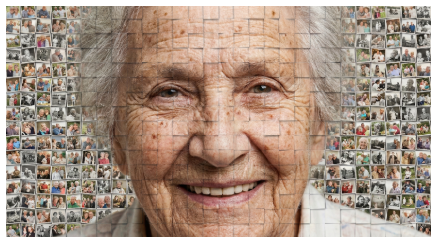
However, for a computer to ‘learn’ about someone in this way, it needs photos and videos. Today, social media platforms such as Facebook and Instagram are the largest repositories of such data. Every publicly shared holiday photo, video of grandchildren or profile picture is valuable material for fraudsters. Publicly available material is like an open book from which artificial intelligence can freely draw knowledge about what we look like and what our voice sounds like.
Why is this so important right now?
Just a dozen or so years ago, creating a convincing deepfake was extremely difficult and costly. Today, the technology needed to produce fake content is readily available at our fingertips – even on our smartphones. A fraudster doesn’t need to be a brilliant computer scientist. All they need is a bit of ingenuity and our publicly available photos.